



Have you ever reached the end of the day and wondered why you feel so tired, even when nothing major went wrong? No big arguments, no emergencies, yet your mind feels heavy, and your body feels tense. That is daily stress at work.
Most of us believe that stress can only be alleviated with significant changes, such as quitting a job, waking up at 5 a.m., or taking an extended vacation. The truth is more straightforward. You can reduce daily stress with small, realistic habits that fit into your existing routine. You do not need to turn your life upside down to feel calmer.
This article shares simple, practical ways to reduce daily stress using actions you can start today. These ideas are easy to follow, gentle, and designed for real life.
Why Reducing Daily Stress Matters More Than You Think
Daily stress builds quietly. It comes from deadlines, traffic, constant notifications, family responsibilities, and endless to-do lists. One stressful moment may not seem like much, but collectively, they can significantly impact your mood, sleep, focus, and energy.
When you focus on daily stress management, you prevent stress from accumulating. Small changes done consistently can make your days feel lighter and more balanced.
Start Your Day Without Rushing
Give Yourself a Calm First 10 Minutes
The way you start your morning sets the tone for the rest of the day. If your first action is checking emails or social media, stress enters immediately.
Try this instead:
a. Sit quietly for a few minutes after waking up
b. Stretch your arms and shoulders gently
c. Take five slow breaths before touching your phone
This small pause helps your mind wake up slowly. It is one of the easiest stress reduction tips that requires no extra time.
Prepare One Thing the Night Before
Morning stress often comes from small decisions. What to wear, what to pack, what to eat.
Each night, prepare just one thing for the next day. It could be your clothes, lunch box, or work bag. This tiny habit reduces decision fatigue and makes mornings smoother.
Use Your Breath as a Quick Stress Reset
Practice Simple Breathing Anywhere
You do not need meditation apps or special poses to relax your body. Your breath is always with you.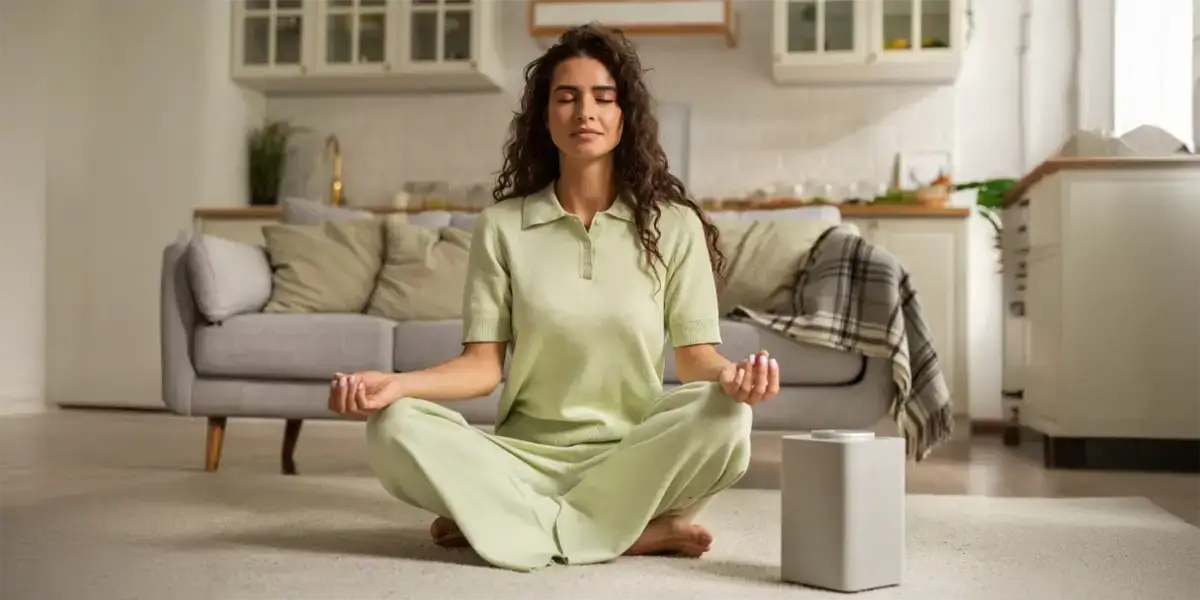
When stress hits, try this simple method:
a. Breathe in slowly through your nose for four seconds
b. Hold for two seconds
c. Breathe out through your mouth for six seconds
Repeat this three to five times. This technique helps your body relax naturally and is effective in managing stress during busy moments.
Pair Breathing With Daily Activities
Link breathing with things you already do:
a. While waiting for a lift
b. While stuck in traffic
c. Before starting a meeting
This makes stress relief effortless to maintain.
Make Your Phone Less Stressful
Create Small Digital Boundaries
Phones are helpful, but constant notifications increase daily stress without us noticing.
You can reduce daily stress by making small changes:
a. Turn off non-essential notifications
b. Keep your phone face down during meals
c. Avoid checking messages first thing in the morning
These steps do not limit your freedom. They simply give your mind space to breathe.
Stop Endless Scrolling
Scrolling often feels relaxing, but it usually leaves us feeling drained. Set a simple rule like checking social media only after completing one crucial task. This helps reduce mental clutter and improves focus.
Move Your Body Without Calling It Exercise
Gentle Movement Counts
You do not need long workouts to feel better. Simple movement reduces tension stored in the body.
Try adding:
a. A short walk after meals
b. Light stretching while watching TV
c. Standing up every hour during work
These actions support daily stress management without adding pressure.
Release Physical Tension
Stress often hides in your shoulders, neck, and jaw. Roll your shoulders, gently stretch your neck, and unclench your jaw throughout the day. These small movements can make a big difference.
Simplify Your To-Do List
Focus on Three Important Tasks
Long to-do lists create mental pressure. Instead of listing everything, choose only three essential tasks for the day.
Once these are done, everything else feels like a bonus. This approach reduces overwhelm and brings a sense of control.
Break Tasks Into Smaller Steps
Big tasks feel stressful because they seem endless. Break them into smaller actions. For example, instead of writing a report, start by opening the document. Small wins reduce stress and boost motivation.
Eat and Drink With Awareness
Do Not Skip Meals
Skipping meals increases irritability and fatigue. Even a small snack can stabilise your energy levels.
Choose simple options like fruit, nuts, or yoghurt. Regular eating supports both your body and mind.
Stay Hydrated
Dehydration often feels similar to stress or fatigue. Keep a bottle nearby and sip water throughout the day. This simple habit supports overall stress reduction without effort.
Create Mini Breaks During the Day
Use the One Minute Rule
You do not need long breaks to reset your mind. One minute is enough.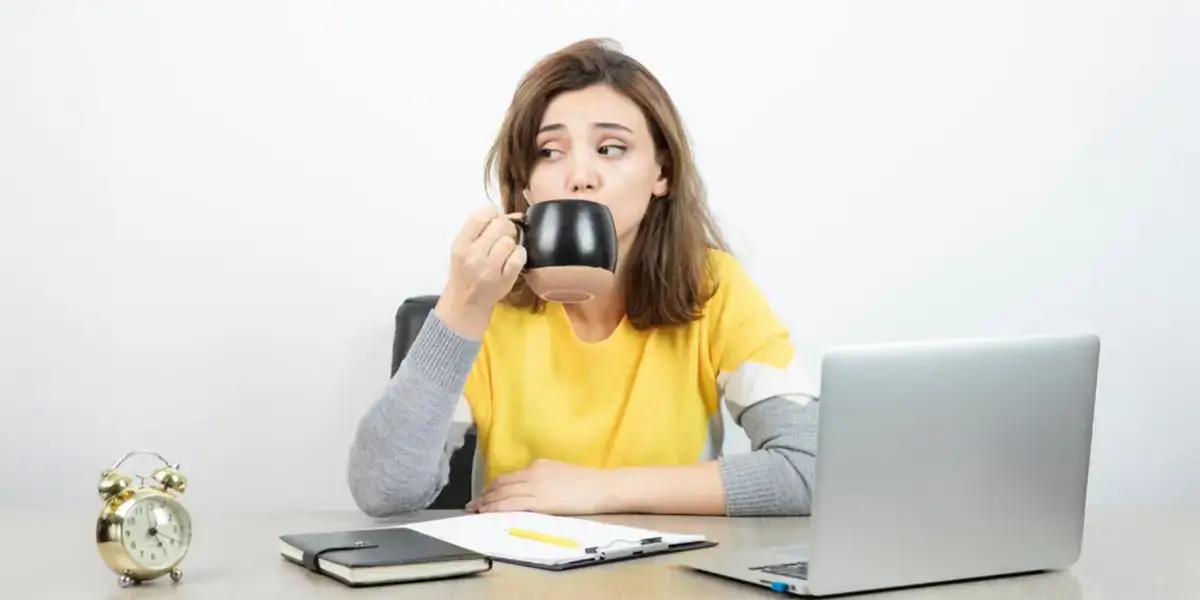
Use it to:
a. Close your eyes
b. Take deep breaths
c. Stretch your hands and back
These mini breaks help prevent stress from building up.
Change Your Environment Briefly
Step outside for fresh air or look out of a window. Even small changes in scenery can refresh your mind and lower stress levels.
End Your Day on a Calm Note
Create a Simple Wind Down Routine
Your body needs signals to relax. A simple evening routine can help reduce daily stress before bedtime.
Try:
a. Dimming lights after dinner
b. Avoiding screens 30 minutes before bed
c. Doing something calming, like reading or light stretching
Consistency matters more than perfection.
Write Down What Is on Your Mind
If thoughts keep you awake, write them down. A short list of worries or tasks can clear your mind and help you sleep better.
Be Kind to Yourself on Stressful Days
Accept That Some Days Are Hard
Not every day will feel calm, and that is normal. Stress does not mean failure. It means you are human.
Instead of criticising yourself, acknowledge the effort you are making. Self-kindness is a powerful tool for stress relief.
Focus on Progress, Not Perfection
You do not need to follow every tip perfectly. Even one small habit can reduce daily stress. Choose what feels right for you and build from there.
Conclusion: Small Changes Can Make a Big Difference
Reducing daily stress does not require significant life changes. It starts with small, thoughtful actions that fit into your existing routine. From mindful breathing and gentle movement to simpler to do lists and calmer phone habits, these changes add up over time.
The goal is not to obliterate stress. It is to manage it in a way that feels realistic and sustainable. Start with a straightforward step today. Your mind and body will thank you for it.