
Have you noticed how your phone now feels less like a device and more like a daily partner? From tracking sleep to managing payments and planning weekends, digital habits quietly run our lives. As we move closer to 2026, this connection will grow even deeper.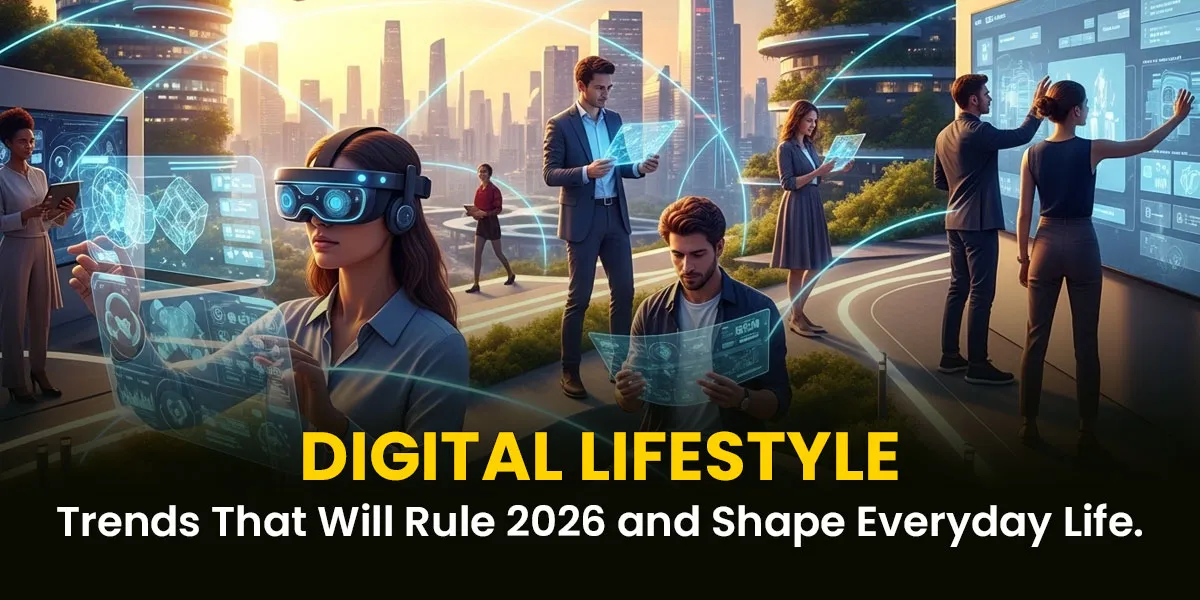
Digital lifestyle trends are no longer about flashy apps or complicated tools. They aim to make everyday life smoother, calmer, and more personal. Understanding these trends now helps you adapt without stress and make more informed choices in your daily routines. Let us explore the digital lifestyle trends that will dominate 2026 and how they will manifest in real life.
Smarter Digital Lifestyle Habits in 2026
The primary keyword, digital lifestyle trends, is no longer just about technology. It is about how people live, think, relax, and work using digital tools.
In 2026, the focus will be on simplicity, control, and balance. People want digital help, not digital overload.
Life Becoming More Personalised Than Ever
In 2026, digital platforms will adapt to you, rather than the other way around.
Your phone, apps, and online services will learn your routines and adjust automatically.
For example:
- Music apps suggest playlists based on your mood and time of day
- Shopping apps remind you only of items you actually need
- News feeds showing fewer viral distractions and more useful updates
This shift helps reduce time waste and mental clutter.
AI-Powered Daily Assistance Without the Complexity
Artificial intelligence may sound intimidating, but in real life, it will feel remarkably simple.
Everyday Tasks Getting Easier
AI will quietly support daily tasks without asking you to learn anything new.
You will notice it in small ways:
- Auto-drafted emails that sound like you
- Smart reminders that understand urgency
- Calendar suggestions based on past habits
This trend is part of the modern digital lifestyle, where technology blends into the routine rather than demanding attention.
No Technical Skills Required
By 2026, you will not need to understand how AI works.
You will just see results:
- Faster responses
- Better suggestions
- Less manual effort
This makes digital tools more inclusive for all age groups.
Digital Wellness Becoming a Lifestyle Priority
One of the biggest lifestyle technology trends is digital wellness.
People are tired of constant notifications and endless scrolling.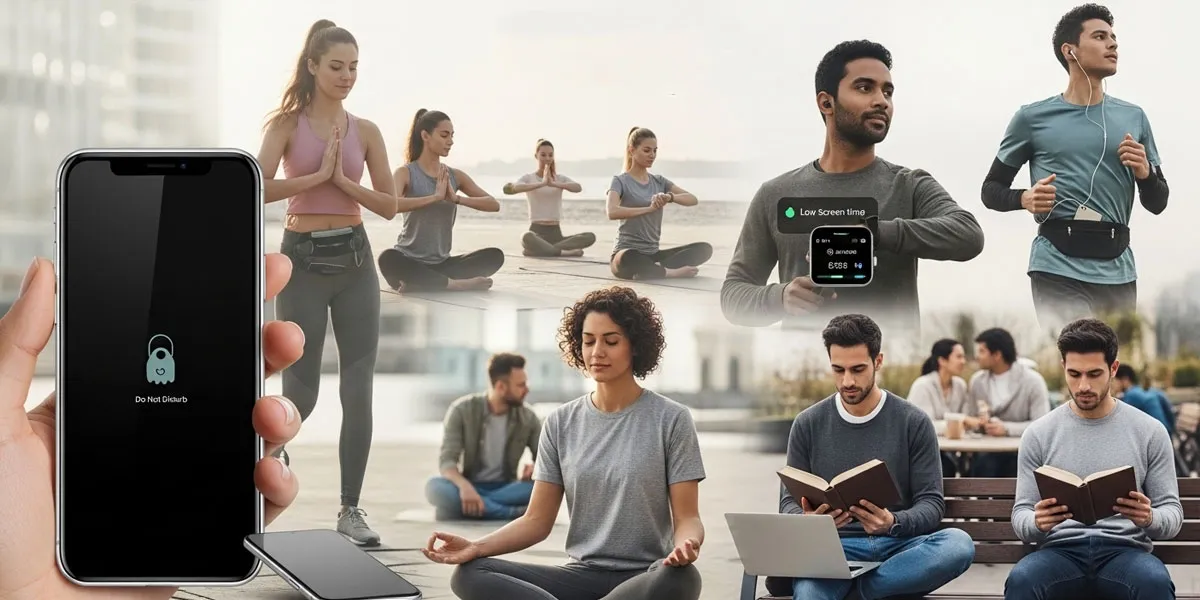
More Control Over Screen Time
In 2026, digital wellness tools will feel less strict and more supportive.
Instead of forcing limits, they will guide you gently:
- Apps suggesting breaks based on usage patterns
- Phones switch to calm modes automatically at night
- Social media reminds you when content becomes repetitive
This approach feels helpful rather than judgmental.
Mental Health Going Mainstream
Mental health apps will become an integral part of daily life, rather than emergency tools.
Simple features like:
- Daily emotional check-ins
- Short breathing sessions
- Mood-based content suggestions
will become common in digital lifestyle routines.
Rise of Virtual Social Spaces That Feel Real
Social connection is changing fast.
By 2026, digital social spaces will feel more natural and less performative.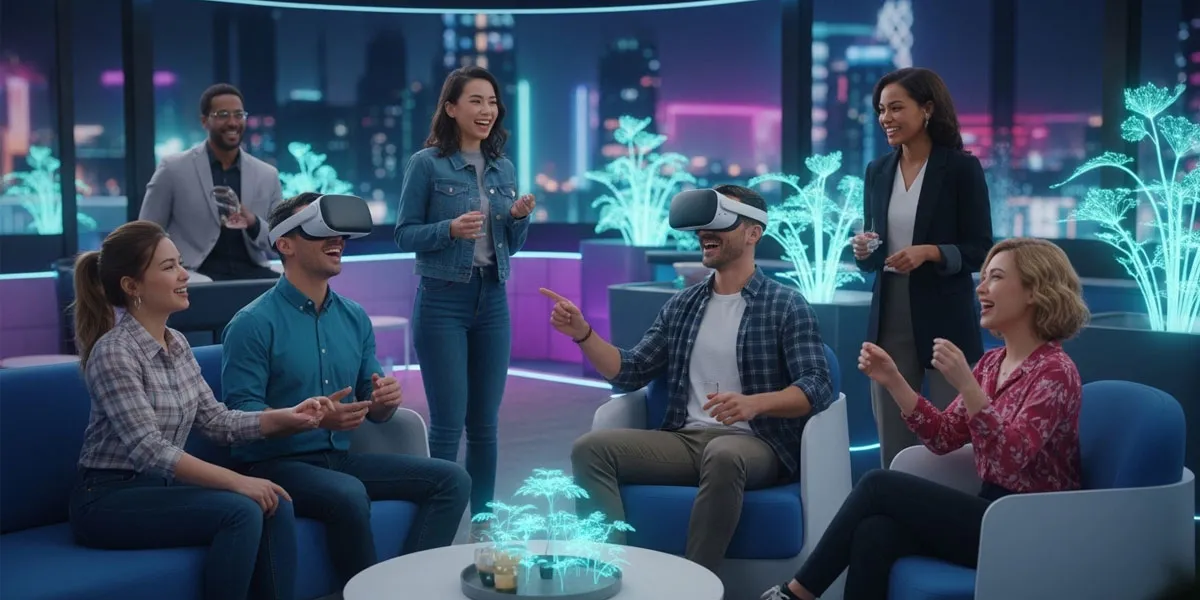
Smaller and More Meaningful Communities
Instead of large public platforms, people will prefer smaller, more intimate digital groups.
Examples include:
- Private interest-based communities
- Friends-only social spaces
- Local digital clubs for hobbies or fitness
These spaces reduce pressure and increase genuine connection.
Virtual Meetups Becoming Normal
Virtual gatherings will no longer feel awkward.
Casual online coffee chats, fitness sessions, and group learning will become normal parts of daily life.
This is especially useful for individuals working remotely or living away from their families.
Smart Homes Becoming Emotionally Intelligent
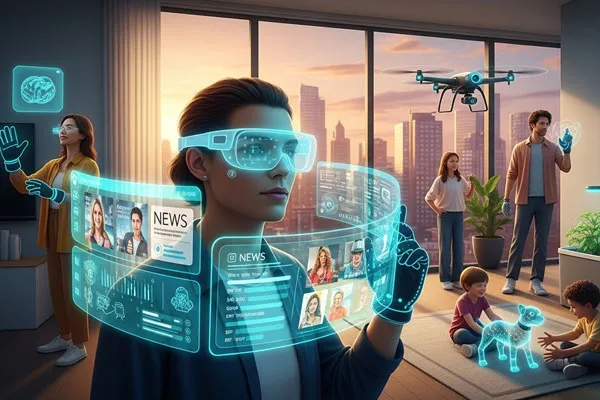
Smart homes are not new, but by 2026, they will feel more human.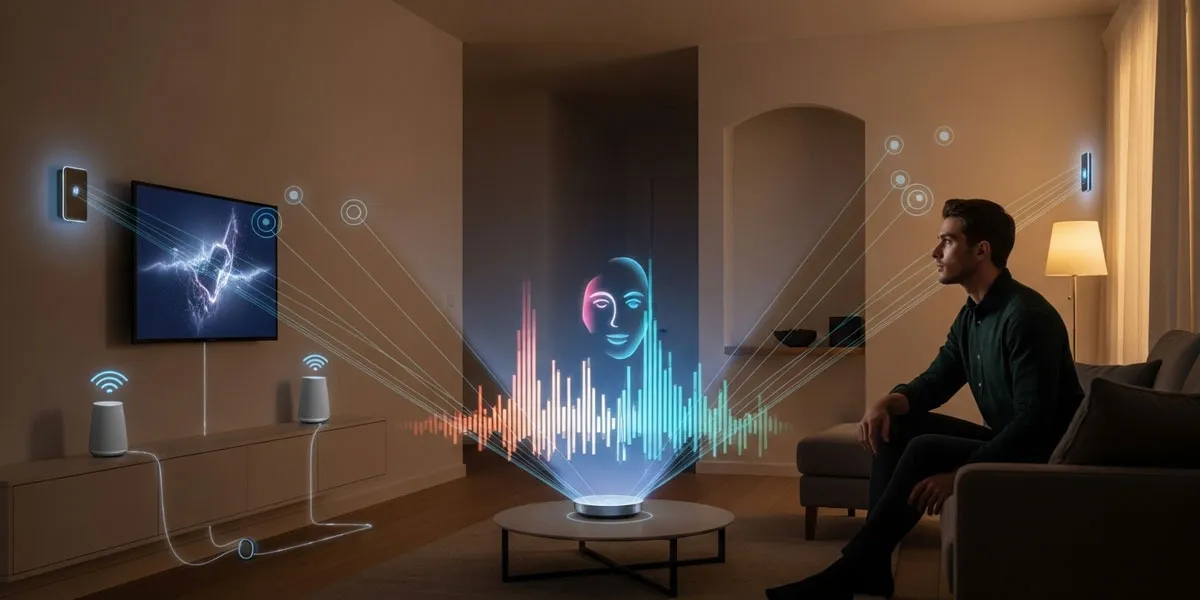
Homes That Understand Daily Rhythm
Your home will respond to patterns instead of commands.
For example:
- Lights dim automatically during winding-down hours
- Temperature adjusts based on sleep cycles
- Music plays softly when you return home stressed
These changes improve comfort without constant input.
Affordable and Practical Smart Living
Earlier, smart homes were perceived as expensive and complicated.
In 2026, they will be:
- Easier to install
- More affordable
- Designed for everyday users
This trend aligns perfectly with the evolving digital lifestyle trends that prioritise comfort and ease.
Learning and Skill Building Going Micro and Digital
Long courses and heavy learning platforms are losing appeal.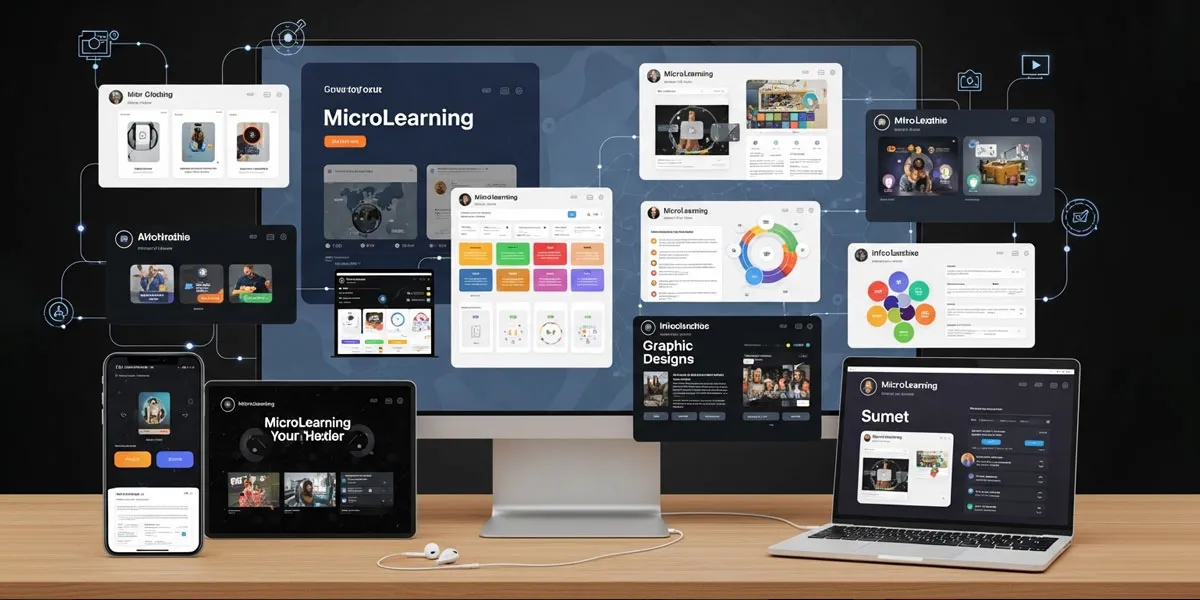
Bite-Sized Learning for Busy Lives
People want learning that fits into short breaks.
By 2026, learning will look like:
- Five-minute skill lessons
- Audio-based learning during travel
- Daily knowledge nudges instead of long classes
This makes personal growth realistic and stress-free.
Learning Integrated Into Daily Apps
You will not need separate learning apps.
Finance tips inside payment apps
Health advice inside fitness apps
Career tips inside work tools
Learning will blend naturally into routine activities.
Digital Payments and Money Habits Becoming Invisible
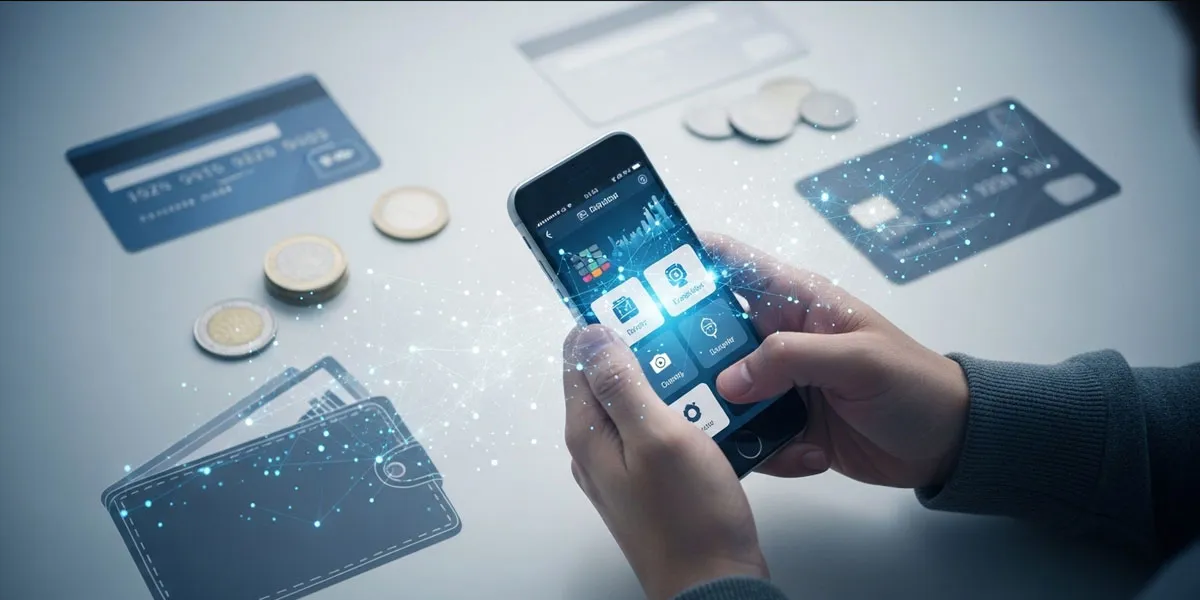
Handling money digitally will feel effortless.
Automatic Financial Decisions
In 2026, financial apps will help manage money quietly.
You will see:
- Automatic savings based on spending patterns
- Smart alerts before overspending
- Personalised financial suggestions
This reduces anxiety around money management.
Less Cash, More Trust
Digital payments will continue to grow, with a greater focus on trust and security.
Simple confirmations, clear records, and better fraud alerts will increase confidence in digital money habits.
Content Consumption Getting Calmer and More Intentional
Endless scrolling is losing its charm.
Fewer Platforms, Better Content
People will choose quality over quantity.
Instead of using many apps, users will stick to a few that respect time and attention.
Platforms will respond by:
- Reducing clickbait
- Promoting useful content
- Offering distraction-free modes
Audio and Short Visual Content Rising
Podcasts, voice notes, and short videos will dominate daily consumption.
They fit better into multitasking lives and reduce screen fatigue.
Work Life Blending More Naturally With Digital Tools
Work and life boundaries will still matter, but flexibility will increase.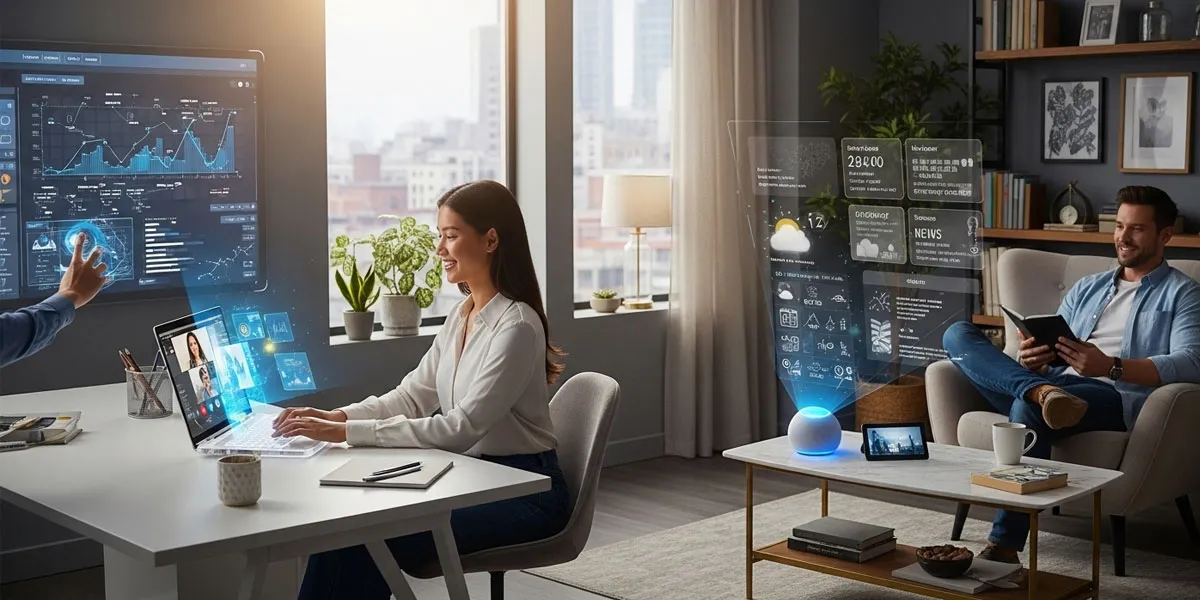
Tools Supporting Balance, Not Burnout
Work apps will focus on:
- Clear work hours
- Focus modes
- Health reminders
This helps maintain productivity without exhaustion.
Hybrid Work Becoming the Default
Digital tools will facilitate seamless transitions between the office and home.
Meetings, collaboration, and task tracking will feel seamless across locations.
Conclusion: A More Human Digital Lifestyle Ahead
The digital lifestyle trends of 2026 point in one clear direction: technology that supports life rather than controlling it.
From smarter routines and better wellness to calmer content and meaningful connections, digital life is becoming more thoughtful.
You do not need to chase every new tool. Simply choosing platforms that respect your time, energy, and mental space will keep you ready for the future.
Digital living in 2026 is not about doing more; it’s about doing better. It is about living better with less effort.